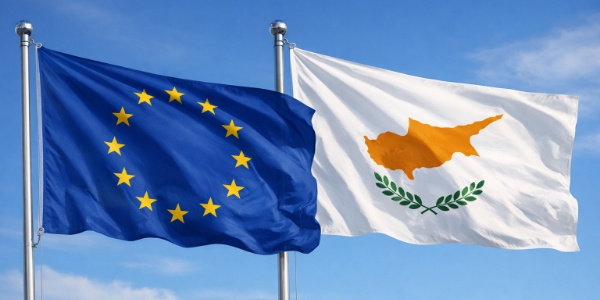
The leitmotif of European autonomy is at the heart of the work programme. However, this is not to be achieved through additional regulation, but through a strong, competitive industry. This is particularly relevant for ZVO member companies: The presidency announces its intention to reduce regulatory and administrative burdens in a targeted manner, particularly for small and medium-sized enterprises. Several omnibus packages are intended to simplify existing EU regulations and better adapt them to industrial practice.
The topic of energy will also be given a lot of attention. High and volatile energy prices are explicitly cited as a risk to Europe's competitiveness. Cyprus wants to drive forward the expansion of network infrastructure, security of supply and investment in new technologies. This is an important signal for energy-intensive industries such as surface technology: competitiveness and climate protection should be considered together.
The presidency is pursuing a more integrated approach to environmental and climate policy. Climate protection, economic resilience and industrial performance will be linked. At the same time, supply chains, economic security and trade policy instruments such as CBAM are moving more into focus.
Last but not least, as part of the negotiations on the multiannual financial framework from 2028, targeted investments in competitiveness, industry and resilience are to be made possible - an approach that also opens up opportunities for key industrial technologies.
Conclusion: The work programme of the Cypriot Council Presidency offers important starting points for surface technology: reducing bureaucracy, competitive energy prices and a more realistic industrial policy. The ZVO will closely follow the process and continue to campaign for practical, SME-friendly framework conditions at European level.
 © ChatGPT